Are you planning your Japan travel in 2026? Selecting your Japan travel internet solution is one of the biggest decisions you’ll make before your Japan travel. Whether you are trying to navigate Tokyo’s public transportation system or reading menus in Japanese restaurants, internet access on your phone is a godsend for Japan travel.
In this guide, we’ll break down:
- The key differences between eSIM, physical SIM cards, and Pocket WiFi in Japan
- Which option works best for solo travelers, families, and remote workers
- The real logistics: airport pickup vs instant activation
- Hidden costs and battery considerations travelers often overlook
- Common mistakes tourists make when choosing Japan internet
- How reliable internet connects to booking trains, navigating cities, and managing digital transit cards like prepaid IC cards in Japan
If you’re feeling overwhelmed by the choices, you’re not alone. Let’s simplify it.
Why Reliable Internet Is Essential for Traveling in Japan
Japan is incredibly organized, but it’s also deeply digital. From transportation to restaurant bookings, reliable internet isn’t optional; it’s essential.
Why Japan Travel Internet Is Essential for Navigation
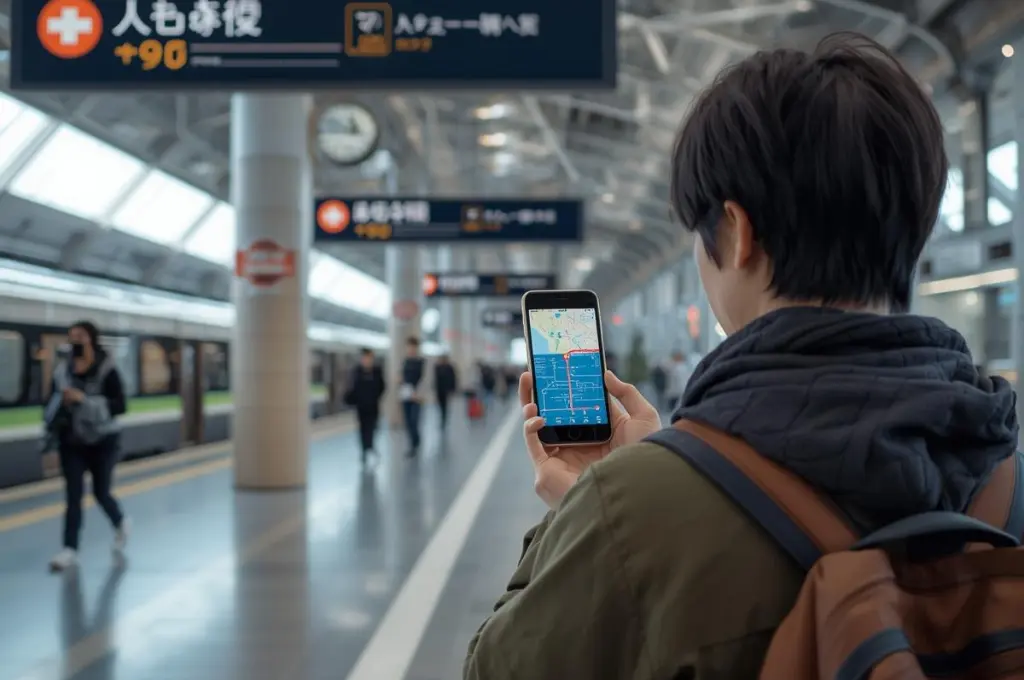
Japan’s train system is efficient but complex, especially in Tokyo. Without data, navigating major stations like Tokyo or Shin-Osaka can quickly become stressful.
You’ll rely on:
- Google Maps for train transfers
- Real-time platform updates
- Mobile ticket booking
- Route planning across multiple cities
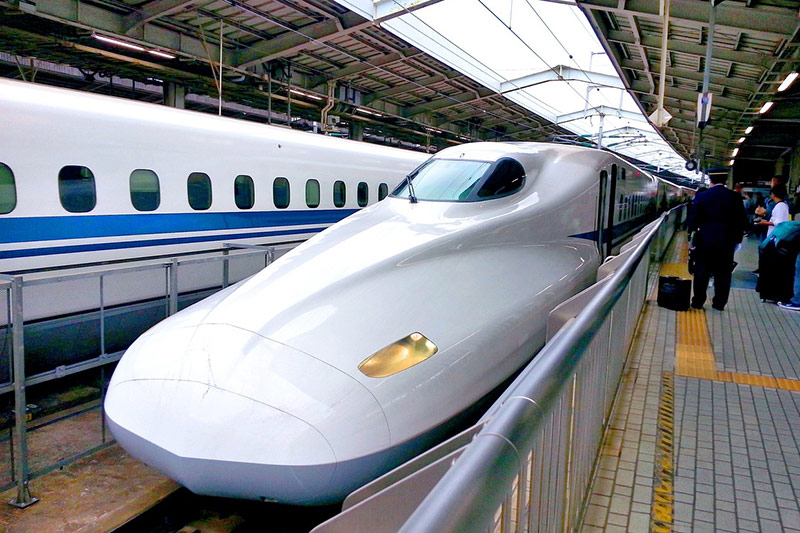
If you plan to travel between cities, you’ll likely use the Shinkansen. Booking in advance becomes much easier when you understand how to buy Shinkansen bullet train tickets.
How Japan Travel Internet Helps with Translation & Communication
Even though Japan has become increasingly foreigner-friendly, with bilingual train signage and English menus in major cities, day-to-day travel still requires digital support.
You’ll often find yourself:
- Translating local restaurant menus that aren’t fully in English
- Scanning QR-code menus that require online access
- Checking ingredient lists for allergies or dietary restrictions
- Messaging accommodations about check-in times or luggage delivery
- Searching for last-minute reservations or business hours
Many smaller establishments, especially outside major tourist districts, operate primarily in Japanese. Having reliable mobile data gives you confidence to navigate these moments independently.
Translation apps like Google Translate or DeepL are incredibly helpful, but only if you’re connected. Without data access, even simple tasks like confirming what you’re ordering can quickly become stressful.
How Japan Travel Internet Supports Cashless Travel in 2026
Japan has become increasingly cashless, especially in urban areas. Connectivity supports nearly every part of your itinerary.
You’ll use internet for:
- Managing mobile payment apps
- Tracking digital train card balances
- Navigating tax-free purchases
For example, understanding tax-free shopping in Japan 2026 helps you plan purchases efficiently.
Japan Travel Internet Options: eSIM, SIM Card, or Pocket WiFi
Option 1: eSIM (Instant Activation, No Pickup Required)
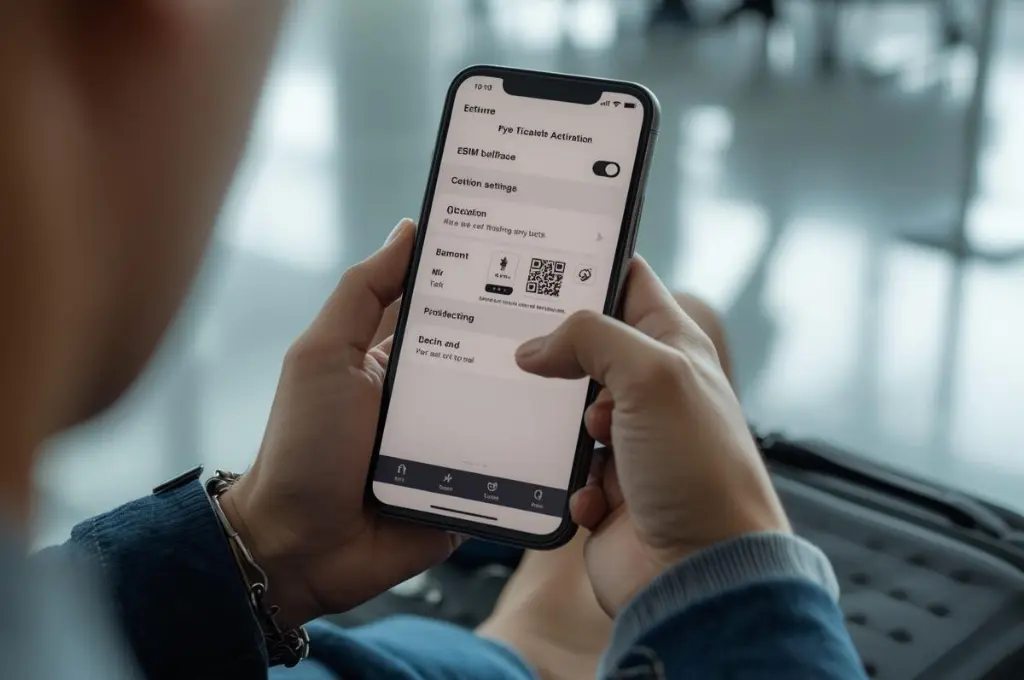
An eSIM is a digital SIM embedded directly into your smartphone. Instead of inserting a physical card, you purchase a data plan online and activate it by scanning a QR code, often before you even board your flight to Japan. For most short-term travelers in 2026, this is the most convenient option.
Pros:
- Instant activation (before departure): You can land in Japan already connected.
- No airport pickup required: Skip rental counters at Narita, Haneda, or Kansai.
- No extra device to carry: Unlike Pocket WiFi, nothing to charge separately.
- Perfect for short trips: Especially ideal for 5–10 day Tokyo or Osaka stays.
Considerations:
- Your phone must support eSIM: Not all devices are compatible. Before purchasing, check Apple’s official eSIM compatibility page.
- Android users should verify compatibility through their manufacturer’s website.
- Some international providers operate as MVNOs (Mobile Virtual Network Operators): Many travel eSIM brands lease bandwidth from major Japanese carriers rather than operating their own infrastructure. This can mean:
- Slightly slower speeds during congestion
- Different routing pathways
- Variable rural coverage performance
In major cities like Tokyo, Kyoto, and Osaka, most reputable eSIM providers perform very well. Performance differences are more noticeable in remote regions.
Popular eSIM Providers for Japan
Here are several widely used global providers:
Each offers short-term and extended Japan data plans. Always compare:
- Daily data limits
- Speed throttling policies
- Network partner (Docomo, SoftBank, or AU)
- Hotspot/tethering allowance
Example Pricing (2026 Travel Plans)
To give travelers a realistic idea of costs, here are some commonly advertised plans. Prices may change based on promotions or seasonal demand.
- Airalo: ~$18 USD for 5GB valid for 7 days
- Ubigi: ~$17–$20 USD for 10GB valid for 30 days
- Nomad: ~$15–$25 USD for 5GB–10GB plans depending on duration
- Mobal eSIM: Some plans offer unlimited daily data options starting around $4–$5 per day
Option 2: Physical SIM Card
A traditional SIM card inserted into your phone.
| Pros | Considersations |
| Often affordable | Requires SIM tray swap |
| Direct connection to Japanese networks | Risk of misplacing your home SIM |
| Reliable speeds | Airport logistics |
Option 3: Pocket WiFi (Portable Router)
A small rental device that creates a personal WiFi hotspot.
| Pros | Considerations |
| Connect 3-5 devices | Must be picked up and returned |
| Ideal for families or groups | Needs daily charging |
| No phone compatibility issues | Extra device to carry |
Japan Travel Internet Comparison: eSIM vs SIM Card vs Pocket WiFi
Setup & Convenience
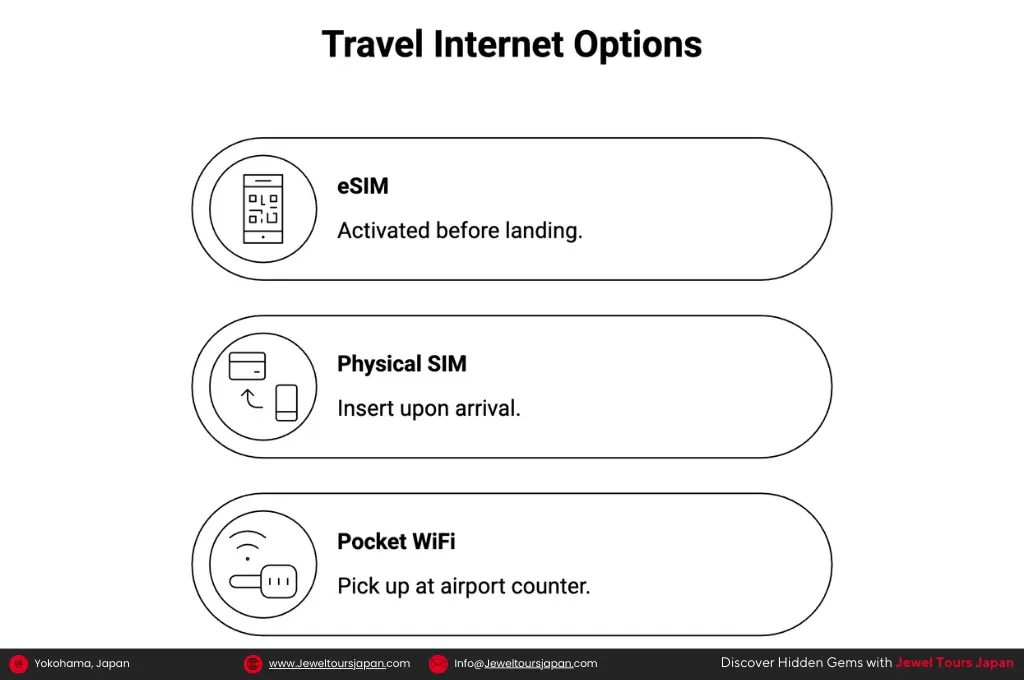
- eSIM: Activated before landing
- Physical SIM: Insert upon arrival
- Pocket WiFi: Pick up at airport counter
If your flight is delayed and the counter closes, Pocket WiFi can become stressful.
Japan Travel Internet Cost Comparison (2026)
Internet costs in Japan vary widely depending on data amount, provider, length of stay, and how you use the connection. These price ranges are based on common traveler plans offered by providers such as Airalo, Ubigi, Nomad, and Mobal. Actual pricing may vary and should always be confirmed on the provider’s official website. Below are realistic ranges for a typical 7-day trip, but remember these aren’t fixed prices, and promotions can shift them:
Typical 7-Day Price Ranges: (image break #4: Alt Text: 7-day Japan internet cost comparison chart for 2026)
- eSIM: ~$20–$40
- eSIM plans tend to be the most affordable and flexible, especially if you’re buying just data without voice.
- Physical SIM: ~$25–$45
- Slightly higher than eSIMs because of hardware and airport pickup logistics, but often stable network access.
- Pocket WiFi: ~$40–$80
- Higher base rate, especially if you need unlimited data or plan to share across multiple devices.
Extra Fees & Hidden Costs to Watch For:
Some charges aren’t always obvious upfront:
- Return / Late Fees (Pocket WiFi): Missing a return deadline at the airport kiosk can add significant penalties.
- Security Deposits: Some Pocket WiFi rentals require hold charges on your card that are released only after safe return.
- Insurance / Damage Waivers: Optional coverage to protect against lost or broken hardware (add $5–$15 per device)
- Activation Fees: A few physical SIM kiosks or providers charge a small setup fee at the airport.
Throttling & Fair Usage Notes
- Many “unlimited” plans throttle speeds after a high-usage threshold. This means:
- You keep data access, but speeds slow down
- Throttling often applies on high-traffic days
- eSIM providers may throttle once you exceed your daily or total data allotment.
Major Carrier vs MVNO Performance
Some international eSIM providers operate as MVNOs (Mobile Virtual Network Operators). This means:
- They lease network access from major Japanese carriers
- Some route traffic through foreign data gateways
- Performance can vary depending on network congestion and location
In major urban centers like Tokyo, Kyoto, and Osaka, most reputable eSIM providers perform very well. Speeds are typically fast, and coverage is dense.
However, in countryside regions or mountainous areas, you may experience:
- Slight latency (especially for video calls)
- Reduced speeds during peak congestion hours
- Weaker rural signal consistency compared to direct-carrier plans
If you’re heading to rural destinations like the Fuji region, choosing a premium plan with strong carrier backing is important. For example, if you’re exploring the lakes area, see our Mount Fuji adventure guide to the Fuji Five Lakes for planning tips.
Before selecting a plan, it’s smart to check official carrier coverage maps:
Reviewing these maps can help you determine whether your specific destination, especially rural towns, hiking areas, or remote ryokan stays, has strong LTE or 5G coverage.
At-a-Glance Comparison Table
| Feature | eSIM | Physical SIM | Pocket WiFi |
| Activation Speed | Instant | SIM swap | Airport pickup |
| Devices Supported | 1 | 1 | 3–5 |
| Share Internet | No | No | Yes |
| Battery Impact | Phone only | Phone only | Separate battery |
| Price (1 week) | ~$15–$30 | ~$20–$35 | ~$35–$60 |
| Best For | Solo | Multi-city | Families |
| Pickup Method | None | Airport/hotel | Airport counter |
Pros and Cons of Each Option
| eSIM | Physical SIM | Pocket WiFi | |||
| Pros | Cons | Pros | Cons | Pros | Cons |
| No pickup | Phone compatibility required | Reliable | Manual installation | Multiple devices | Extra Device |
| Instant activation | Some MVNO performance variation | Often strong network access | Can’t share data easily | Ideal for groups | Charging required |
| Minimal hassle | Return deadlines | ||||
Which Japan Travel Internet Option Is Best for Your Trip?

Choosing the right connectivity option isn’t just about price; it’s about how you travel, how many devices you carry, and how much flexibility you need day-to-day.
Short 7-Day Tokyo Trip
Best Choice: eSIM
If you’re spending one week in Tokyo, convenience should be your top priority.
An eSIM is ideal because:
- You can activate it before departure
- There’s no airport pickup line
- No extra device to charge
- Perfect for navigation-heavy city days
Tokyo is dense, fast-paced, and incredibly transit-oriented. You’ll rely heavily on Google Maps, train transfer apps, restaurant searches, and QR-code menus.
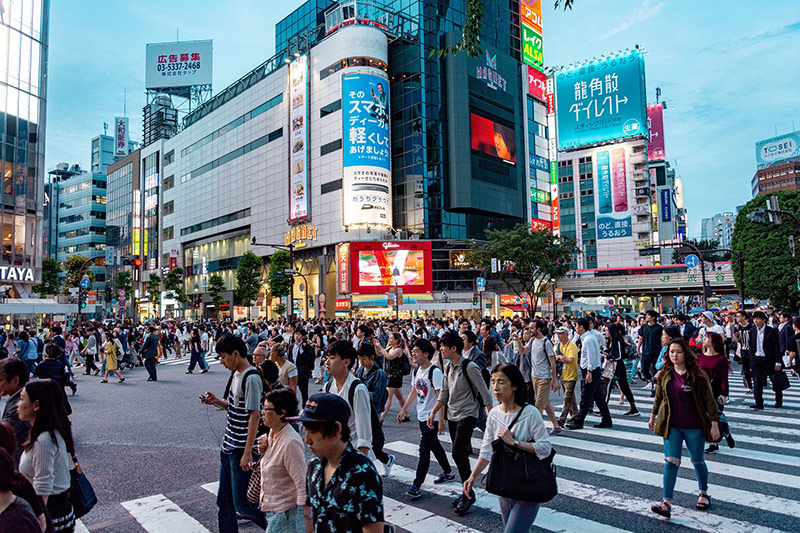
Whether you’re exploring neighborhoods like Shibuya and Asakusa or following our Top 10 must-see attractions in Tokyo for first-time visitors, having instant data access makes everything smoother.
14-Day Multi-City Japan Itinerary
Best Choice: eSIM or Physical SIM
If your trip includes Tokyo, Kyoto, Osaka, and possibly Hakone or Hiroshima, reliability across regions becomes more important.
For a two-week trip:
- You’ll book Shinkansen tickets
- Use translation apps frequently
- Check weather and typhoon updates (especially in late summer or autumn)
- Coordinate hotel check-ins and luggage forwarding
During peak travel seasons, like cherry blossom season or autumn foliage, train reservations and attraction bookings fill quickly. Reliable mobile data helps you adjust plans in real time.
If you’re visiting during seasonal highlights, timing matters. For example:
- Spring cherry blossoms
- Autumn leaves
- Winter illuminations
In these busy periods, stable coverage matters more than minimal convenience.
When to choose eSIM:
- You prefer easy activation
- You’re traveling light
- Your phone is compatible
When to choose Physical SIM:
- You want direct carrier access
- You’re visiting semi-rural areas
- You prefer more consistent performance outside major cities
Remote Work Stay (1 Month or Longer)
Best Choice: Premium eSIM or High-Quality Pocket WiFi
If you’re working remotely from Japan, whether from Tokyo cafés, Kyoto machiya stays, or coastal towns, your needs are very different from a typical tourist.
You’ll need:
- Higher daily data caps (or unlimited plans)
- Stable upload speeds for video calls
- Consistent latency for Zoom or Teams
- Backup options in case of device issues
A premium eSIM with generous data can work well if you:
- Mostly work indoors with backup WiFi
- Don’t need to share connection
A high-quality Pocket WiFi is better if you:
- Use multiple devices (laptop + phone + tablet)
- Need flexibility for co-working spaces
- Want shared access between devices
Important considerations:
- Check throttling policies after high usage
- Confirm fair usage limits
- Review coverage maps if working outside major cities
Traveling with Kids or in a Group
Best Choice: Pocket WiFi
Families and small groups benefit most from shared connectivity.
With Pocket WiFi:
- Multiple devices connect at once (usually 3–5)
- Parents can manage maps while kids stream
- No need to configure multiple SIM cards
- Easier for less tech-savvy travelers
This is especially helpful if:
- You’re coordinating strollers and train transfers
- Children use tablets during long Shinkansen rides
- You need constant navigation support
If you’re traveling with young children, connectivity becomes even more important for logistics and flexibility. Our detailed guide on Japan travel for families with toddlers covers additional planning tips.
One caution:
You’ll need to:
- Charge the device daily
- Keep it powered during long sightseeing days
- Return it on time to avoid fees
Rural Japan Exploration
Best Choice: Major-Carrier SIM or Premium Pocket WiFi
If your itinerary includes:
- Mountain regions
- Countryside ryokan stays
- Small coastal towns
- Hiking areas
- Remote islands
…coverage becomes the most important factor.
While Japan’s cities have excellent network density, rural areas can have:
- Slightly weaker MVNO performance
- Slower speeds during congestion
- Fewer fallback network options
In these cases, a major-carrier-backed SIM (Docomo, SoftBank, or AU network access) provides:
- Better rural tower coverage
- More consistent speeds
- Improved reliability in mountainous terrain
A premium Pocket WiFi directly tied to a major carrier can also perform well, especially for couples exploring rural destinations together.
If your trip includes scenic destinations like the Fuji Five Lakes region or countryside stays, stable connectivity helps with:
- Weather checks
- Train schedule updates
- Emergency navigation
Quick Summary
- City-only, short trip → eSIM
- Multi-city, two weeks → eSIM or Physical SIM
- Remote work → Premium plan with high data
- Families or groups → Pocket WiFi
- Rural exploration → Major-carrier-based option
The best choice isn’t universal, it depends entirely on how you travel. Once your connectivity matches your travel style, Japan becomes significantly easier to navigate, book, adjust, and enjoy.
Final Verdict: Best Japan Travel Internet Option in 2026

For most travelers in 2026:
- eSIM is the best choice for solo and short-term trips
- Pocket WiFi works best for families and groups
- Physical SIM remains a reliable middle ground
The right answer depends on:
- Travel style
- Region (urban vs rural)
- Device compatibility
- Battery tolerance
- Sharing needs
Choose based on how you travel, not just price. And once your connectivity is sorted, you can focus on what really matters: exploring Japan with confidence.