Japan, known for its impeccable safety record and peaceful tourism experience, is facing an unprecedented wildlife crisis in 2025. Bear attacks in Japan have reached record-breaking levels, with over 230 people injured or killed, including 13 fatalities, the deadliest year in Japan’s recorded history since statistics began in 2006.
For travelers planning to visit Japan, especially those interested in hiking, rural experiences, or autumn foliage viewing, understanding this evolving situation is crucial. This comprehensive guide will help you plan your trip in Japan’s bear country safely while still enjoying everything this beautiful nation has to offer.
Are Bear Attacks in Japan Actually Dangerous for Tourists?
Understanding Japan’s 2025 Bear Attack Crisis
The short answer is: it depends on where you’re traveling and when. While the statistics sound alarming, it’s important to understand that most bear attacks occur in specific rural and mountainous regions, not in major tourist hubs.
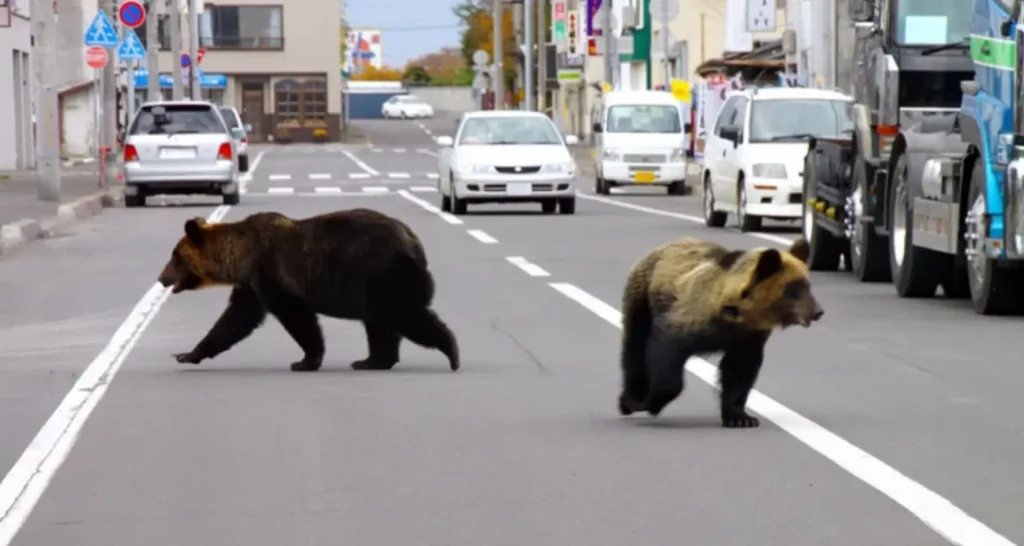
The 2025 crisis represents what authorities are calling “a type of disaster” attacks are happening almost daily across Japan, particularly in the Tohoku region and rural prefectures. What makes last year particularly concerning is that bears are appearing in unexpected places: schools, supermarkets, train stations, and even military barracks, not just remote mountain areas.
However, major tourist destinations like Tokyo, Osaka, Kyoto, and other urban centers remain completely safe. The risk increases significantly if you’re planning rural travel, mountain hiking, or visiting northern Japan during the autumn months.
Tourist Areas vs. High-Risk Bear Zones
| Low-Risk Tourist Areas | High-Risk Bear Zones |
| Tokyo and surrounding metropolitan areas | Tohoku region (Akita, Iwate, Fukushima prefectures) |
| Osaka, Kyoto, Nara (Kansai region) | Rural Yamanashi Prefecture (despite proximity to Tokyo) |
| Southern Japan: Kyushu and Okinawa (bear-free zones) | Nagano Prefecture mountain areas |
| Coastal cities and beach destinations | Hokkaido (brown bear territory) |
| Well-managed tourist sites with regular human activity | Mountain hiking trails, especially at dawn/dusk. Abandoned rural villages and countryside |
Start your journey toward a bespoke Japan experience! Fill out our consultation form, and we will personally design a private itinerary tailored to your specific passions and pace.
Comparing Bear Danger: Japan vs. Other Countries
Here’s a striking comparison: Japan has approximately 55,000 bears total, while the United States has over 330,000 bears. Yet in 2025, Japan has recorded 13 fatal bear attacks compared to just 3 in the entire United States (mostly in Alaska).
This paradox highlights that Japan’s bear problem isn’t about raw numbers, it’s about the intersection of multiple factors: declining hunting populations, rural abandonment, food shortages in bear habitats, and an exploding bear population concentrated in areas where human-bear boundaries have dissolved.
For context, you’re statistically more likely to encounter a bear problem in rural Japan this year than in most North American wilderness areas.
What Are the 2 Types of Bears Found in Japan?
Japanese Black Bears (Asian Black Bears)
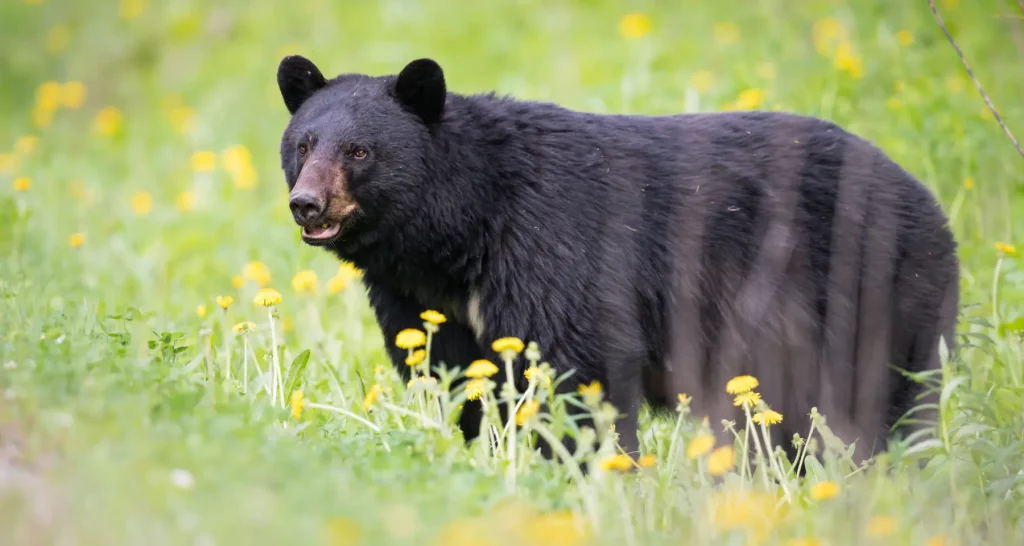
The Japanese black bear (Ursuri thibetanus japonicus), also known as the Asian black bear, is found throughout Honshu and Shikoku islands. Don’t let the “smaller” designation fool you, these bears are dangerous and responsible for most attacks in Japan.
Key Characteristics:
- Smaller than brown bears but still formidable (60-120 kg)
- Black fur with distinctive white or cream V-shaped chest mark
- Excellent climbers—can scale trees rapidly
- Strong and aggressive when threatened or hungry
- Fast runners (up to 50 km/h)
Contrary to popular belief, these bears are NOT harmless. They’re powerful predators capable of inflicting serious injuries and fatalities, as the 2025 statistics tragically demonstrate. The Smithsonian National Zoo’s Asian black bear profile provides detailed information about the species found throughout Japan.
Hokkaido Brown Bears: The Giants of the North
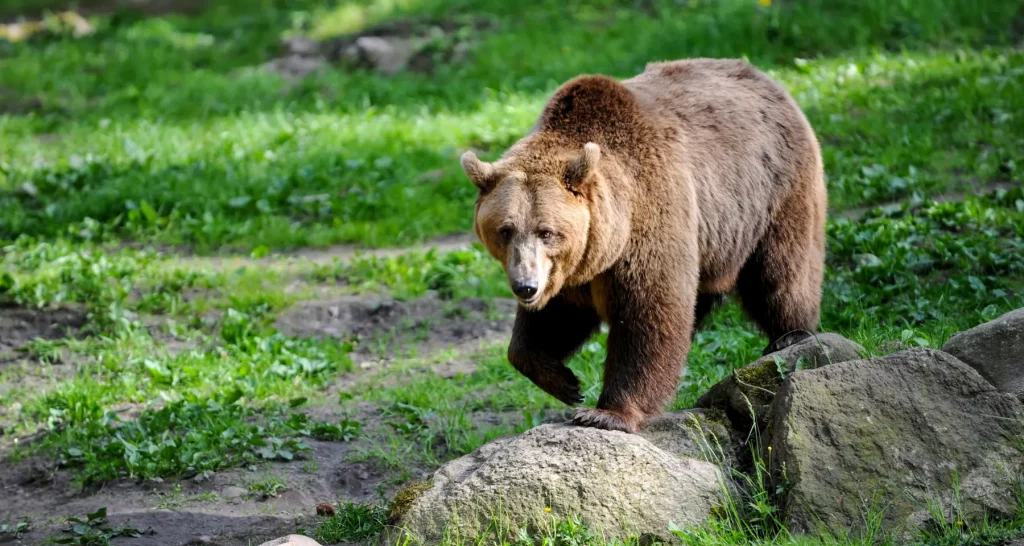
The Hokkaido brown bear (Ursus arctos yesoensis), closely related to Russian brown bears, is found exclusively on Hokkaido island. These are among the largest bears in the world and every bit as dangerous as North American grizzlies.
Key Characteristics:
- Massive size: males can reach 350-400 kg (car-sized)
- Brown to dark brown fur
- Powerful build with prominent shoulder hump
- Omnivorous but capable predators
- Territorial and potentially aggressive
The most infamous bear attack in Japanese history, the 1915 Sankebetsu incident with 7 deaths, involved a Hokkaido brown bear. Visit Hokkaido’s official tourism website for current information about brown bear activity in national parks and hiking areas.
Geographic Distribution and Habitat Ranges
Japanese Black Bears:
- Present in mountainous regions across Honshu
- Found in parts of Shikoku (though populations are smaller and protected)
- Absent from Hokkaido, Kyushu, and Okinawa
- Estimated population: 42,000+ and increasing
Hokkaido Brown Bears:
- Exclusive to Hokkaido island
- Widespread across the island’s forests and national parks
- Estimated population: 12,000+ and stable to increasing
Bear-Free Zones for Travelers:
- Entire Kyushu island
- All Okinawa islands
- Urban centers and heavily populated areas nationwide
Arriving in Japan by cruise ship? Fill out our form to secure your private shore excursion. We provide a “Back-to-Ship” guarantee so you can explore the city with total peace of mind.
Why Have Bear Attacks Increased So Dramatically in 2025?
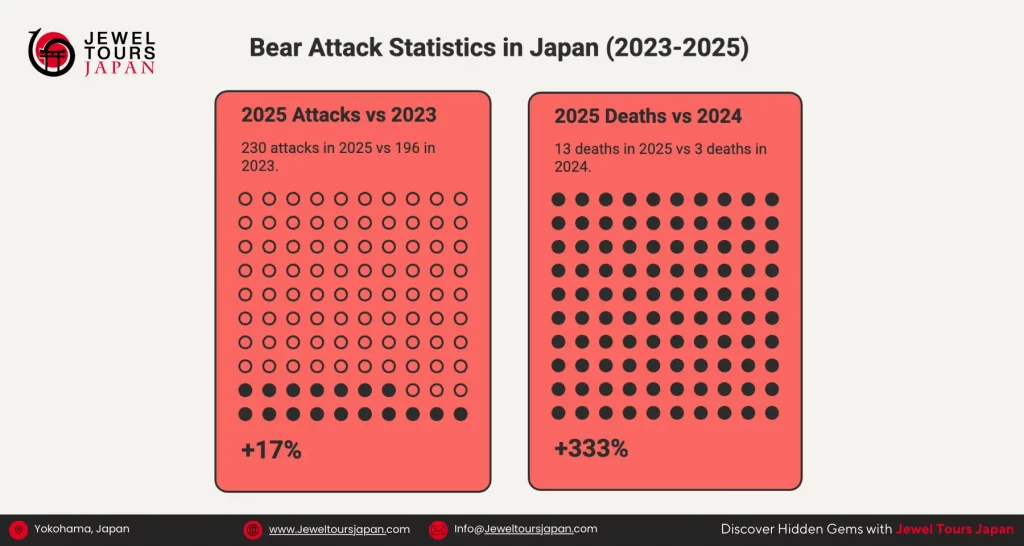
Record-Breaking Statistics: 230 Attacks and 13 Deaths
The numbers tell a sobering story. As of November 2025, Japan has experienced:
- Over 230 bear attack victims (injuries and fatalities combined)
- 13 confirmed deaths, the highest in recorded history
- Nearly daily attack reports across multiple prefectures
- 196 attacks between April-October alone, exceeding 2023’s pace
For comparison:
- 2023: 198 incidents, 219 victims, 6 deaths (previous record)
- 2024: 82 incidents, 85 victims, 3 deaths (temporary decline)
- 2025: Surpassing all previous records
The attacks aren’t isolated to remote wilderness, they’re happening in broad daylight in populated areas, fundamentally changing the risk profile for residents and travelers alike. The Japan Bear Network conducts ongoing research into bear population dynamics and human-wildlife conflict prevention.
Food Shortage and Population Explosion
2025 represents a convergence of multiple ecological and social factors:
Exploding Bear Population: Since the 1990s, bear populations have increased exponentially. In Miyagi Prefecture alone, numbers grew from 633 bears in 2008 to 2,783 by 2024. With approximately 54,000 bears now in Japan and habitats at capacity, bears are literally overflowing from mountain areas into human settlements.
Collapsing Hunter Numbers: Japan’s hunting community has declined by over 50% since the 1970s, with 60%+ of remaining hunters now over 60 years old. One village that once had 80 rifle hunters now has only 30. The next generation never picked up the tradition, leaving Japan with insufficient population control mechanisms.
Rural Abandonment: Japan’s aging population and urbanization have left countless rural homes abandoned. These areas, once maintained and monitored by humans, have become comfortable foraging grounds for bears who no longer associate them with human danger.
Climate and Acorn Crop Failures
The 2025 crisis was triggered by a severe crop failure of beech nuts and acorns across the Tohoku region, the primary autumn food source for bears preparing for hibernation.
Before hibernation, bears enter a state called hyperphagia where their satiety mechanisms essentially shut down, they cannot feel full and must eat constantly to build fat reserves. With natural food sources depleted, bears faced a stark choice: starve or venture into human areas for food.
This desperation pushed bears deep into towns, cities, and populated areas they would normally avoid, directly contributing to the record attack numbers.
Rural Abandonment and Shrinking Human Boundaries
The bear-human boundary that once existed on the edges of farmland has now moved to the edges of towns, near schools, homes, and supermarkets. Abandoned houses provide hiding spots, while neglected fruit trees (persimmons, chestnuts) act as bear magnets.
With fewer people monitoring rural areas and maintaining the landscape, bears have become comfortable operating in what were once clearly human-dominated spaces. This habituation to human environments is particularly dangerous, once bears lose their natural fear of humans and learn that human areas provide food, they’re more likely to approach people directly.
Which Japanese Prefectures Have the Most Bear Attacks?
Tohoku Region: The Epicenter of Bear Activity
The Tohoku region in northern Honshu has become ground zero for Japan’s bear crisis. This mountainous, rural area has seen the highest concentration of attacks and bear sightings in 2025.
From April to August 2025, bear sightings in Tohoku prefectures numbered in the thousands, with the region accounting for the majority of casualties nationwide.
Akita, Iwate, and Fukushima: Highest Casualty Rates
Akita Prefecture:
- 3,089 bear sightings (April-August 2025)
- 56 casualties, the highest in Japan
- Site of the 2016 Towari Mountain attacks (4 deaths)
- Rural areas with significant population decline
Iwate Prefecture:
- 3,453 bear sightings (April-August 2025), the highest count
- 34 casualties
- Extensive mountainous terrain
- Bears appearing in residential areas
Fukushima Prefecture:
- 20 casualties (April-August 2025)
- Significant bear activity in mountain regions
- Some areas still affected by 2011 nuclear disaster evacuation, leading to wildlife reclamation
Areas Near Tokyo: Yamanashi and Surrounding Regions
Surprisingly, bear problems aren’t confined to far northern Japan. Yamanashi Prefecture, relatively close to Tokyo with Mount Fuji views, has significant bear activity.
Local hunters in Yamanashi report:
- Regular bear sightings and catches
- One hunter takes 90 deer annually due to overpopulation
- Bears caught in traps near residential areas
- Active hunting camps addressing wildlife overflow
This proximity to Japan’s capital makes the issue particularly relevant for travelers who might assume they’re safe near major metropolitan areas. The Japan Times reported extensively on the November 2025 spike in bear encounters near residential areas.
Hokkaido’s Brown Bear Territory
While Hokkaido’s brown bears present a different challenge than black bears, the island has consistent bear activity, particularly in:
- Shiretoko National Park
- Daisetsuzan National Park
- Rural and forested areas
- Areas near salmon rivers during spawning season
Hokkaido’s bears are larger and potentially more dangerous, though attacks are less frequent than in Tohoku due to lower bear density relative to the island’s size and more established wildlife management.
Coming to Japan and you Prefer the comfort of a private car? Send us your info through our form to reserve a private road trip. We provide the vehicle and the expertise to show you the Japanese countryside in total relaxation.
What Times and Seasons Are Most Dangerous for Bear Attacks in Japan?
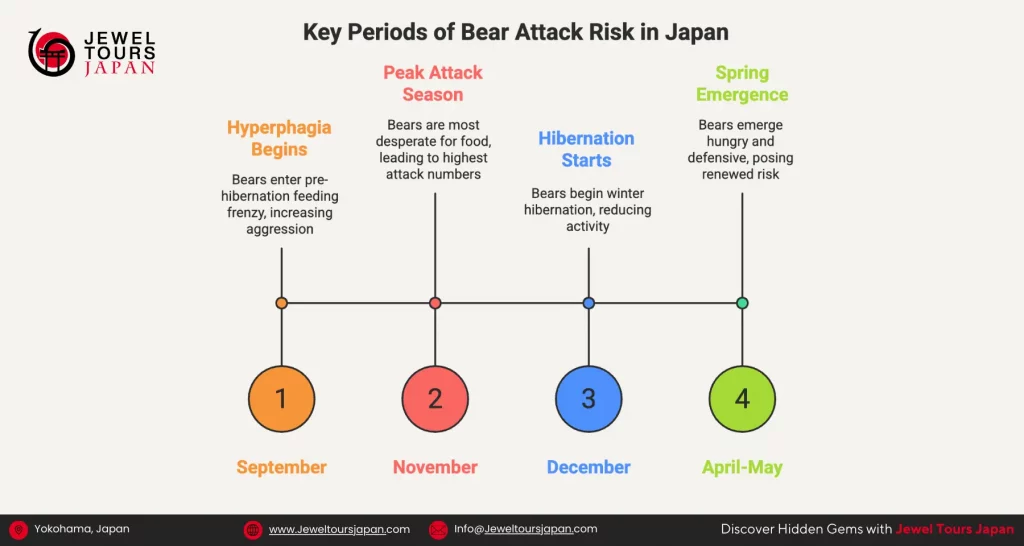
November: Peak Bear Attack Season Explained
November represents the absolute peak of bear danger in Japan. This timing isn’t coincidental, it’s directly tied to bear biology and behavior.
As bears prepare for winter hibernation (typically beginning December), they enter hyperphagia in September-November. During this period, they’re desperately seeking calories and their normal caution around humans diminishes significantly. A bear that might normally avoid human contact will take risks it wouldn’t consider at other times of year.
While September-November is peak bear season in rural areas, our article on why autumn 2025 is still a beautiful time to visit Japan shows you how to experience fall colors safely in urban gardens and managed tourist sites.
Pre-Hibernation Feeding Frenzy
The pre-hibernation period (September-November) is when bears:
- Must consume 20,000+ calories daily
- Cannot feel satiety, their “full” mechanism stops working
- Become more aggressive and bold
- Take greater risks entering human areas
- Are most likely to defend food sources aggressively
This biological imperative, combined with 2025’s acorn crop failure, created the perfect conditions for the record attack numbers.
Dawn and Dusk: When Bears Are Most Active
Bears are crepuscular, meaning they’re most active during:
- Early morning: 4:00 AM – 8:00 AM
- Evening/dusk: 5:00 PM – 9:00 PM
In high-risk areas, locals have adjusted their lives around these patterns. In some villages, residents simply don’t go outside during these hours if possible. For travelers, this means:
- Avoid early morning hiking starts in bear country
- Return from mountain activities well before dusk
- Don’t walk between accommodations and restaurants during high-risk hours
- Stay in well-lit, populated areas during dawn/dusk periods
Spring Emergence Dangers
Spring (April-May) presents a secondary danger period when bears emerge from hibernation:
- They’re hungry after months without food
- Males emerge first and roam widely seeking food
- Mothers with cubs are extremely defensive
- Natural food sources may be limited early in spring
While spring isn’t as dangerous as autumn, it still requires vigilance, particularly in Hokkaido where brown bears emerge earlier.
Where did Bear Attacks in Japan occur?
Schools and Residential Areas
One of the most alarming aspects of 2025’s crisis is bears appearing near and even inside school zones. With many Japanese schoolchildren walking to school independently, this represents a serious public safety issue.
Bears have been spotted:
- On school grounds
- Along common walking routes to schools
- In residential neighborhoods during school hours
- Near playgrounds and parks
This has prompted emergency protocols and, in some cases, temporary school closures in affected areas.
Supermarkets and Convenience Stores
Bears seeking food have appeared at:
- Supermarket parking lots
- Outside convenience stores (attracted by trash)
- Shopping district areas
- Food storage facilities
In Nagano Prefecture, some 7-Eleven stores have disabled automatic doors and posted warnings to keep bears out. Areas with bear signs visible at convenience stores indicate serious local bear presence.
Train Stations and Rail Lines
Bears crossing or near rail lines have caused:
- Train delays and cancellations
- Safety concerns for commuters
- Japan Rail implementing bear warning systems
- Bounty programs from rail companies for bear population control
Private corporations like Japan Rail now pay hunters to reduce bear numbers in problem areas affecting transit.
Mountain Hiking Trails and National Parks
Traditional bear territory remains dangerous, with attacks occurring on:
- Popular hiking trails
- Mountain access roads
- National park areas
- Pilgrimage routes
- Camping areas
The 2009 Norikura attack near a bus terminal injured 10 tourists, demonstrating that even managed tourist areas aren’t immune.
Rural Farm Areas
Agricultural areas experience bears seeking:
- Fruit trees (persimmons, chestnuts, apples)
- Vegetable crops
- Beehives
- Livestock feed
The 2016 Towari Mountain incident killed 4 people who were harvesting bamboo shoots in rural farmland.
Military Barracks and Government Buildings
Surprisingly, bears have appeared at:
- Military installations
- Government facility perimeters
- Police stations
- Municipal buildings
This demonstrates how bold bears have become in 2025, entering areas they would have avoided in previous years.
Abandoned Houses and Buildings
Perhaps the most common attack sites are near abandoned structures where:
- Bears find shelter and hiding spots
- Overgrown vegetation provides cover
- Leftover fruit trees attract bears
- Human presence is minimal
- Bears feel comfortable denning or resting
Japan’s rural abandonment crisis has created countless such locations, essentially creating bear habitat within what were once human settlements.
How Is the Japanese Government Responding to Bear Attacks?
Emergency Measures and Army Deployment
The Japanese government has taken unprecedented action in response to the crisis:
Military Mobilization:
- Self-Defense Forces deployed to assist in bear management
- Military personnel supporting local authorities
- Coordinated response across multiple agencies
Police Involvement:
- Law enforcement authorized to shoot bears on sight in emergency situations
- Increased patrols in high-risk areas
- Emergency response teams established
- Coordination with hunters and wildlife officials
Declaration of Emergency:
- Bear attacks officially classified as “a type of disaster”
- Emergency protocols activated in affected prefectures
- Public safety prioritized over wildlife conservation in critical areas
Loosened Gun Laws for Bear Management
In a dramatic policy shift for gun-restrictive Japan, authorities have relaxed certain firearms regulations specifically for bear management:
Changes Include:
- Streamlined emergency hunting permits
- Reduced bureaucratic barriers for existing hunters
- Authorization for law enforcement to carry and use firearms for bear response
- Expedited approval processes in crisis situations
September 2025 Emergency Hunting System:
- Municipal mayors can now authorize rapid culling of dangerous bears
- Eliminates previous requirement to release trapped bears
- Allows immediate action when bears pose threats
- Police and city offices coordinate kill authorizations
Context: This represents a significant shift in a country where gun ownership is extraordinarily restricted and police typically try to hide their weapons. The fact that gun laws were loosened specifically for bears demonstrates the severity of the crisis.
3.4 Billion Yen Bear Prevention Budget
The government compiled a comprehensive “Bear Damage Prevention Package” with record funding:
Budget Allocation (2025):
- 3.4 billion yen total (approximately $23 million USD)
- Largest bear management budget in Japanese history
- Distributed across prevention, culling, and research initiatives
Funding Priorities:
- Hunter incentive programs
- Trap deployment and maintenance
- Warning system infrastructure
- Community education programs
- Habitat management research
- Emergency response capabilities
Hunter Incentive Programs and Bounties
Multiple organizations now offer bounties to incentivize hunting:
- Payment Structure:
| Animal/Service | Payment Amount | Notes |
| Deer | 15,000 yen | Standard bounty |
| Monkey | 25,000 yen | Higher due to greater pest impact |
| Bear | Variable rates | Depends on location and situation |
| Annual Cap | 150,000 yen | Maximum earnings per hunter in some areas |
- Who’s Paying:
| Organization | Identification Method | Purpose |
| Prefecture governments | Circle spray paint marking on kills | Regional wildlife management |
| City/municipal offices | Triangle spray paint marking | Local population control |
| Private corporations (e.g., Japan Rail) | Cross spray paint marking | Protecting infrastructure |
| National government | Subsidies | Supporting overall program funding |
Reality: These bounties aren’t sufficient for full-time hunting income, they’re designed to keep the existing aging hunter community motivated and help cover trap maintenance and expenses. The goal is professional culling to reduce numbers, not create a viable hunting industry.
Safety Tips to Avoid Bear Encounters While Traveling in Japan
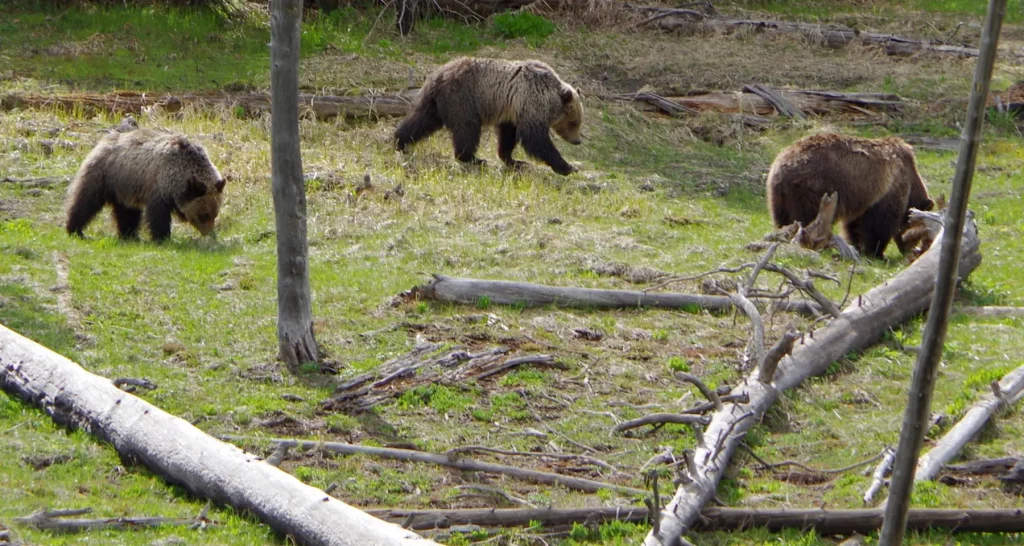
Carry Bear Bells and Make Noise
The single most effective bear deterrent is making your presence known:
Why It Works:
- 99% of bears still fear humans and will avoid you if they know you’re coming
- Bears don’t want confrontation—they need surprise encounters eliminated
- Sound travels well in forests and gives bears time to leave
How to Implement:
- Attach bear bells to your backpack (available at outdoor stores in Japan)
- Talk loudly, sing, or play music while hiking
- Clap hands periodically
- Call out “Hey bear!” regularly on trails
- Increase noise near blind corners, dense vegetation, and streams (water noise masks your approach)
When to Use: Make noise constantly in bear country, especially during dawn/dusk, and increase volume in low-visibility areas.
Travel in Groups, Never Alone
Statistical evidence worldwide shows bears rarely attack groups:
Why Groups Are Safer:
- More noise and human scent
- Bears perceive groups as larger threats
- Multiple people can respond to emergencies
- Someone can seek help if needed
Recommendations:
- Minimum 3-4 people for hiking in bear country
- Stay together—don’t spread out on trails
- Keep children close and visible
- If traveling solo is unavoidable, be extremely vigilant about noise-making
Avoid Dawn and Dusk Activities in Rural Areas
As noted earlier, bears are most active during crepuscular periods:
Specific Timing to Avoid:
- 4:00 AM – 8:00 AM (dawn)
- 5:00 PM – 9:00 PM (dusk/evening)
Practical Application:
- Don’t start hikes before 8:00 AM in bear country
- Be off trails and back in populated areas by 5:00 PM
- Avoid evening walks between accommodations
- If staying in rural areas, remain indoors during high-risk hours
- Plan activities for midday when bear activity is lowest
Local residents in high-bear areas have adopted these patterns so travelers should too. The Japan National Tourism Organization provides updated safety guidelines for travelers visiting rural areas during bear season.
Check Local Bear Warning Signs
Japan has extensive bear warning infrastructure:
What to Look For:
- Yellow warning signs with bear silhouettes
- Posted notices at trailheads
- Information boards at convenience stores
- Closed-door policies at shops (automatic doors disabled)
- Local government websites and apps
Where Signs Appear:
- Hiking trail entrances
- Rural road access points
- Near schools in affected areas
- Convenience stores and supermarkets
- Train stations
Action to Take: If you see multiple bear warning signs, take them seriously. Consider alternative activities or destinations. Ask locals about recent sightings.
Carry Bear Spray in High-Risk Areas
Bear spray is highly effective when used correctly:
Availability in Japan:
- Can be purchased at outdoor specialty stores
- Available online from Japanese retailers
- Legal to carry for wildlife protection purposes
- More readily available than in past years due to current crisis
How to Use:
- Keep readily accessible (on belt or chest strap, not in backpack)
- Know how to remove safety and deploy quickly
- Effective range: 6-10 meters
- Spray in short bursts creating a barrier between you and bear
- Aim slightly downward (spray drops)
- Practice with inert training canisters
Important: Bear spray is a last resort. Prevention through noise and awareness is far better.
If you’re planning to visit Japan during the safest winter months, learn more about what makes January a peaceful time to explore Japan when bears are safely hibernating and the countryside is blanketed in snow.
Follow Local Guidance and Warnings
Local knowledge is invaluable:
Who to Ask:
- Accommodation hosts
- Local tourist information centers
- Hiking shops and outdoor retailers
- Police stations (koban)
- Other hikers and locals
What to Ask:
- Recent bear sightings in your intended area
- Whether trails are currently recommended
- Best times for activities
- Emergency contact numbers
- Nearest medical facilities
Respect Closures: If an area is closed due to bear activity, respect it absolutely. Locals understand the risk better than any guidebook. The Japan Helpline provides 24/7 emergency assistance in English for travelers facing urgent situations, including wildlife emergencies.
What Is Japan’s Hunting Culture and How Does It Affect Bear Populations?
The Collapse of Japan’s Hunting Community
Japan’s hunting culture has experienced a dramatic decline that directly contributes to today’s bear crisis:
Historical Hunting Culture:
- Hunting was a genuine national pastime through the 1980s-1990s
- Rural areas had strong hunting traditions
- Multiple generations of hunters in families
- Houses displayed taxidermy and hunting trophies
- Hunting clubs were social and community institutions
- Maintained natural balance between humans and wildlife
Current Collapse Statistics:
- Hunting licenses down 50%+ since 1970s
- Over 60% of remaining hunters are 60+ years old
- Example: One village: 80 rifle hunters → now only 30
- Age crisis: Among 13 hunters in one area, 3 are 82 years old
- No replacement generation: Young people not entering hunting
What This Means:
- Insufficient population control for wildlife
- Bears, deer, boar, monkey populations exploding
- Aging hunters physically unable to maintain control efforts
- Within 10-20 years, current hunters will be too old or deceased
- No succession plan in place
Community Impact:
- Hunting clubs struggling to survive
- Knowledge and skills not being passed down
- Traditional hunting camps and infrastructure deteriorating
- Social aspect of hunting culture disappearing
- Connection between humans and mountain management severed
From 1990s Peak to Current Crisis: The Turning Point 1990s Policy Shift
What Happened: In the 1990s, Japan signed the UN Convention for Biological Diversity, triggering major policy changes:
Government Actions:
- Crackdown on perceived “over-hunting”
- Made hunting licenses a bureaucratic nightmare
- Increased restrictions and requirements
- Each prefecture implemented separate systems
- Created complex permit structures
- Added financial guarantees in some areas
Intended Goal: Protect biodiversity and prevent wildlife population decline
Unintended Consequences:
- Hunting became too difficult for average people
- Young people deterred by bureaucracy
- Existing hunters aged out without replacements
- Wildlife populations exploded instead of stabilizing
- Bear-human balance completely disrupted
The 30-Year Result:
1990s:
- Robust hunting community
- Controlled wildlife populations
- Rare bear encounters
- Clear human-wildlife boundaries
2025:
- Collapsed hunting community
- Exploding wildlife populations
- Record bear attacks
- Bears in supermarkets and schools
Policies meant to protect wildlife have created a crisis threatening both humans AND long-term wildlife management. Overpopulation leads to starvation, disease, and ultimately necessitates emergency culling, the opposite of sustainable management.
Bear Population Growth:
- 1990s: Bear populations relatively stable
- 2000s-2010s: Steady increase
- 2020-2025: Explosion to 54,000+ bears
- Example: Miyagi Prefecture: 633 bears (2008) → 2,783 bears (2024)
Current Paradox: Japan simultaneously has:
- Too many bears (public safety crisis)
- Too few hunters (management crisis)
- Strict gun laws (limits solutions)
- Aging population (reduces monitoring)
This perfect storm of policy decisions made 30 years ago is now reaching critical mass in 2025.
Planning your Japan adventure? Check out our comprehensive guide on whether hiring a tour guide in Japan is worth it, especially valuable when exploring rural areas where local expertise can enhance both your safety and experience.
Why Young Japanese Aren’t Becoming Hunters?
Multiple factors deter young people from hunting:
Bureaucratic Barriers:
License Process:
- Written tests (different for each prefecture)
- Practical examinations
- Background checks
- Mental health evaluations
- Financial guarantee deposits (some areas)
- Separate permits for different hunting methods
- Must renew and maintain multiple certifications
Time Investment:
- Months to complete full licensing process
- Must take time off work for tests/training
- Ongoing requirements and renewals
- Training sessions and meetings
Gun License Requirements:
- 10 years with shotgun before rifle access
- Extremely strict gun laws
- Separate gun license process
- Regular police inspections of storage
- Can lose license for minor infractions
Cultural and Social Factors:
Negative Perception:
- Guns viewed extremely negatively in modern Japan
- Police try to hide their weapons
- Hunting seen as old-fashioned or brutal
- Urban youth disconnected from rural traditions
- Animal welfare concerns
Lifestyle Incompatibility:
- Young people concentrated in cities
- Rural areas depopulating
- Hunting requires rural access and knowledge
- Time-intensive hobby incompatible with modern work culture
- No social cachet or appeal to youth
Economic Reality:
- Cannot make living as hunter in Japan
- Bounties insufficient for income (150,000 yen max/year in some areas)
- Must maintain other employment
- Equipment costs significant
- Trap maintenance expensive
Lack of Entry Points:
- Few mentorship opportunities
- Aging hunters not actively recruiting
- No structured youth programs
- Urban youth have no exposure to hunting
- Cultural transmission broken
Contrast with Past:
- Previous generations learned from fathers/grandfathers
- Hunting was community activity
- Economic benefits clearer in rural economy
- Social status in rural communities
- Practical necessity (food, pest control)
Hunters are trying to train younger people, showing them how to set traps, inviting them on hunts, teaching butchery. But interest is minimal. Some young hunters seem uncomfortable with blood, questioning whether he’ll continue. So, Without dramatic changes, Japan’s hunting community will effectively cease to exist within 15-20 years, leaving no mechanism for wildlife population control except professional cullers or military intervention.
Strict Gun Laws and Hunting License Requirements
Japan’s gun laws are among the world’s strictest, directly impacting bear management:
Gun Ownership Requirements:
For Shotguns (First Firearm):
- Written exam on gun laws, wildlife laws, hunting regulations
- Mental health evaluation – doctor certification required
- Police background check – extensive investigation
- Drug test
- Attend all-day class on gun safety and laws
- Pass practical handling test
- Purchase gun safe meeting specifications
- Home inspection by police of gun storage
- Prove legitimate reason for gun ownership (hunting license)
For Rifles (After 10 Years):
- Must maintain clean shotgun record for 10 consecutive years
- No incidents, violations, or complaints
- Only then eligible to apply for rifle license
- Separate application process with all above steps repeated
Ongoing Requirements:
- Regular police inspections
- Ammunition purchase tracking
- Usage logs and reporting
- License renewals
- Continued mental health clearances
- Any legal trouble = immediate license revocation
Storage Laws:
- Gun and ammunition stored separately
- Both in police-approved safes
- Regular inspections
- Failure = license loss and criminal charges
Social Stigma:
- Gun owners often keep it secret
- Fear of judgment from neighbors
- Police treat gun owners with suspicion
- Any police contact risks license review
Impact on Bear Management:
Current Hunter Weapons:
- Most hunters have shotguns only
- Effective range: 30-50 meters maximum
- Limits long-range shooting options
- Must get very close to animals
Rifle Shortage:
- Very few hunters have 10+ year records for rifles
- Aging hunters with rifles dying or retiring
- Replacements can’t get rifles for decade
- Most effective tool for bear management unavailable
Trap Dependence:
- Gun restrictions forced reliance on traps
- Less humane than shooting in many cases
- Less selective (can catch non-target species)
- Labor intensive
- But only practical option given gun laws
The Trade-Off: Japan chose virtually zero gun crime over effective wildlife management. The result:
- Safest country for gun violence
- Public safety crisis from wildlife
- Limited tools to address ecological problems
2025 Emergency Loosening:
- First-ever relaxation of gun restrictions specifically for bears
- Municipal mayors can authorize emergency culling
- Police authorized to shoot bears
- Streamlined permits in crisis situations
- Shows how serious the situation has become
Finally, Can a modern society maintain both strict gun control AND effective wildlife management? Japan is discovering the challenges of this balance.