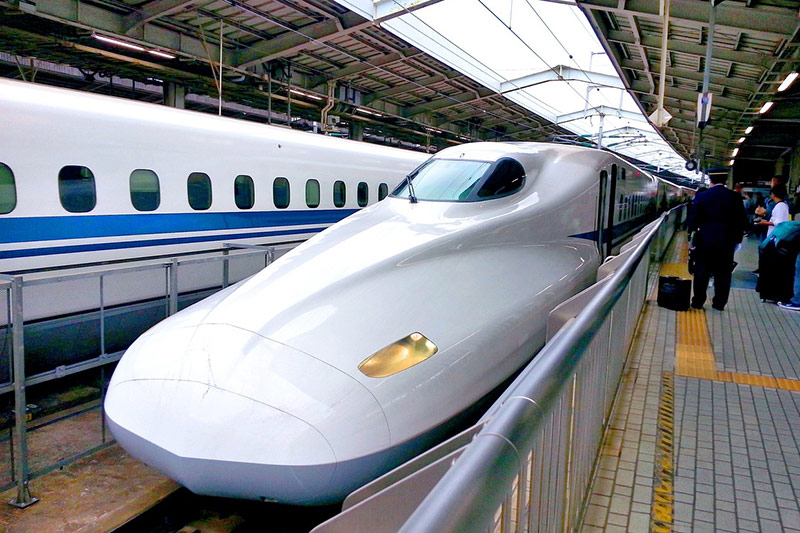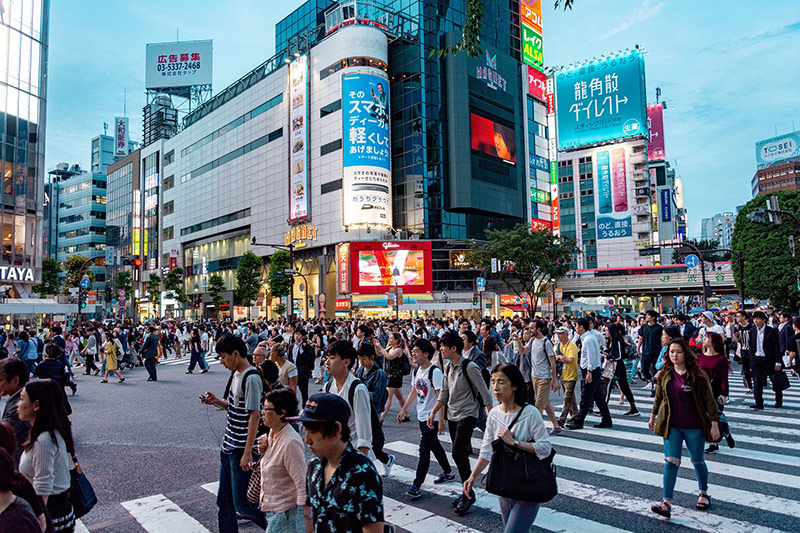
To start off with the big question, Japan is 100% safe for senior travelers. Japan for seniors travelers offers cleanliness and efficiency with a predictable routine. Seniors will find Japan easy to explore and have experiences that are exclusively from Japan. This guide will break down everything that a senior traveler needs to know. From accessibility challenges to where to go and do, to health and diet problems.
Is Japan a senior friendly destination?
Short answer, absolutely. As seen above, Japan’s infrastructure and timeliness will make for an easier traveling transition. Plus, most of Japan’s restaurants and attractions require reservations made in advance. Seniors can travel knowing exactly what to do and with full transparency.
Japan is also one of the safest countries in the world. It has a low crime rate and a deep cultural respect for the elders. Making seniors travelers feel comfortable and supported.
Accessibility in Japan
Japan offers an extensive range of accessibility for senior travelers. For a comprehensive guide, take a look at our article on Essential Guide for Using wheelchairs in Japan. It breaks down everything you need to know from the best hotels to finding elevators and escalators. Not just for people in wheelchairs as it addresses the difficulties of travelers that are not solely on foot or can move around easily.
Japan has a lot more options for those that can use a walking stick. Every side walk, there is also foot braille for the blind and those who are unsteady on their feet. A few things to watch out for.
- Long walking distance can make it hard to get to a destination or attraction.
- Uneven sidewalks and hills out the less popular streets can make walking more difficult.
- Small and narrow shops and restaurants can make moving around easily a challenge.
Best season to visit Japan?
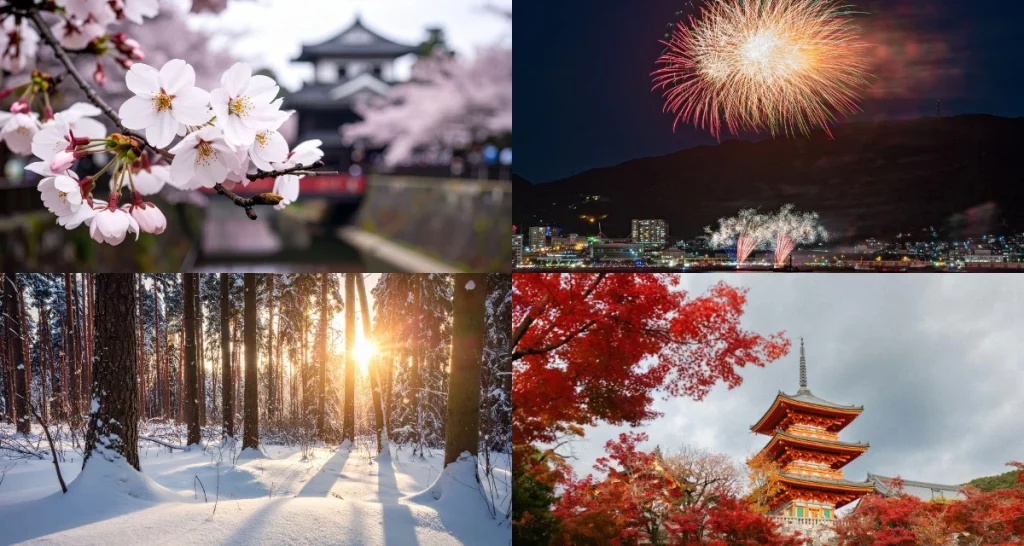
Japan is a very seasonal country. With many attractions only being offered in certain seasons. Which time is the best to visit? Let us break it down.
Summer
- Fireworks festivals.
- Natsu matsuri (summer festival) with water based activities is good for cooling off.
- Flowers in full bloom
- Special summer only performances with traditional Japanese elements.
To learn more about these activities and others, check our our article High Summer in Japan: August Traditions and Island Days
Winter
- Onsen (Japanese hot spring) is a great way to take a break from the cold. With a lot of health benefits, it can make anyone feel better after a day of exploring. For more information about how to properly go to a Japanese hot spring, take a look at our article, What is the Etiquette for Japanese Onsen? A Friendly Guide to Enjoying Hot Springs in Japan.
- In some cities, there are great winter illuminations, most of the time, entrance is little to no cost.
- With new year traditions, it is a great time to explore a new culture.
Read more on winter activities, check at our articles on Embrace January’s Peaceful Charms in the Heart of Japan and Celebrate Japan’s December: Onsen, Lights & Frosty Nights
Autumn
- When visiting temples and shrines, you will be able to see the maple leaves in a stunning red.
- In the gardens and temples, see the seasonal change within the foliage of Japan.
- Enjoy the seasonal fruits like persimmons and kabocha (pumpkins).
Check out our other articles on what to do in a time of change in Japan with September in Japan: Typhoon Wisdom & Autumn Previews and October Colors and Cool Breezes Across Japanese Landscapes.
Spring
- Sakura (cherry blossoms) season. Perhaps the most popular time of year to visit Japan. The traditional hanami (cherry blossom viewing). Sit in the park, and enjoy watching the pink flowers fall to the ground.
- You can also enjoy the tea ceremonies. Particularly in Kyoto and Osaka.
- See not just Sakura, but also hydrangeas and tulips coming up to bloom.
Look at our other articles for a more in depth look at March in Japan: Blossoms, Traditions & New Beginnings and Why June Is a Secretly Beautiful Time to Visit Japan.
Knowing when and where to visit a foreign countries can be challenging. JewelTours Japan can help plan and figure out the best places to go for your personal needs. Drop us a question or request anytime at the link above.
Best places to stay
The best place to stay by far in Tokyo for senior travelers are station hotels. Usually located right in the station, or just outside, this gives senior travelers the convenience of hopping on a train and going to their destination. Without the hassle of getting to the station. Plus, stations usually have an array of things to do. Various places to eat, shop, and relax, it is a perfect place when you want to go back to the hotel and get dinner right near it.
Another option is large international hotels. They will have english support on the ready, and can help with any concerns you might have about accessibility. The modern hotels were built more spacious, with a western mindset, and with new accessibility laws Japan has put into place within the last ten years.
A good rule of thumb before traveling anymore is make sure to call and ask the hotels. Most hotels have English options. Each one can offer something different depending.
Best attractions for Senior travelers
- Gardens
- Gardens are a great way to get out and walk around at your own pace. With benches dotted with the sound of the gardens, it is an easy way to be out in Japan but not overly tiring.
- Movie Theaters
- Movie threats are a great way to relax and get a break from the weather. Most have english movies in popular tourist cities. Some example brands include, TOHO Cinemas, popular locations are Shinkuju and Roppongi Hills, 109 Cinema, also located in Shinjuku, also a popular one in Kawasaki, and the United Cinema Aqua City in Odiaba. Purchasing of tickets can be done online or on site at a kiosk with English options.
- Museums
- Often inside and comfortable, museums are where you can in depth learn about Japanese culture. Usually with English guides and places to sit, it is a stress free environment. In addition, a gift shop is usually attached to the museums, where you can pick up a fun souvenir.
- Vehicle tours
- Vehicle tours are a great way to see the sights of Tokyo all from the comfort of a car. If you want to go further than the local gardens or museums, this is a great way to do it.
JewelTours Japan specifically offers vehicle tours. From in cities drives to day trips, with the options of totally customizing the tour to fit your schedule and plans.
An example can be found below. But everything is customizable.
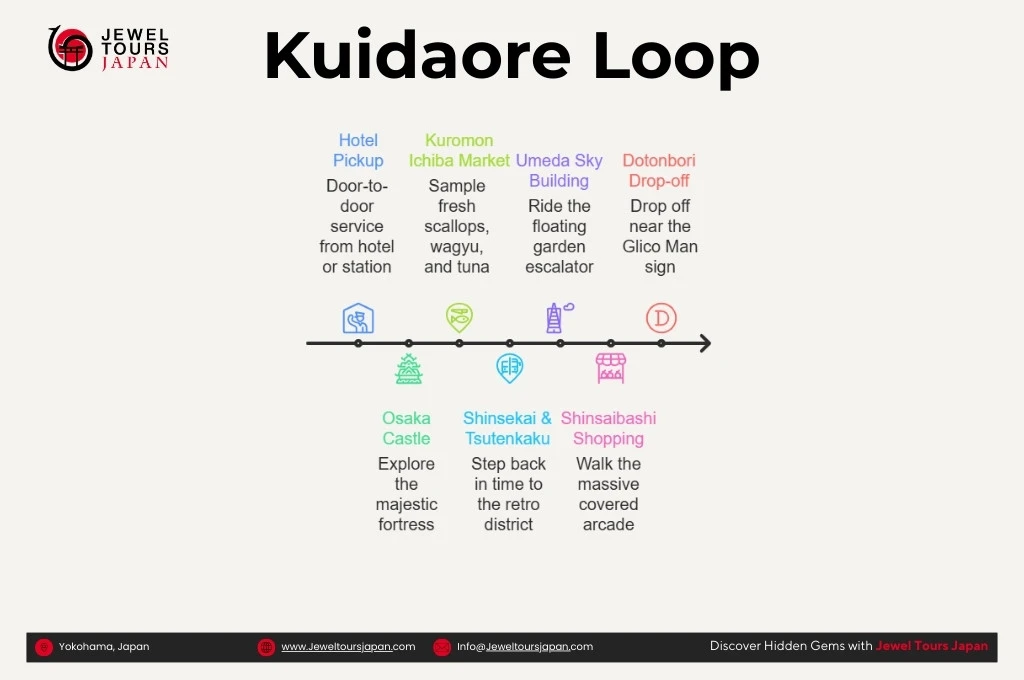
For more information, or if you have any questions or concerns about a vehicle tour, feel free to contact us, JewelTours Japan.
Cultural aspects of Japan
When coming to a new country, knowing the different culture rules and customs can be tricky. Not even to mention remembering them. Below is a guide to help you know what to do.
| Custom | Reason / Meaning |
| Take off shoes indoors | To keep the home clean; outdoor shoes are considered dirty. |
| Politeness & respect | Harmony and consideration (called omotenashi) are highly valued. |
| Quiet on public transport | Shows respect for others’ personal space in crowded areas. |
| No eating while walking | Seen as messy and disrespectful to public spaces. |
| Cash is still common | Many small shops and older businesses prefer cash; tradition + convenience. |
| Serious garbage sorting | Japan prioritizes recycling and reducing waste contamination. |
| Onsen bathing etiquette | Cleanliness is essential before entering shared hot springs; keeps water pure. |
| Lining up properly | Fairness and order are important; prevents crowding and conflict. |
| Indirect communication | Avoiding confrontation helps maintain social harmony. |
How to stay connected.
Staying connected is the most important aspect of traveling abroad. Especially for your family and friends to make sure you are safe. Below is an easy to read table that maps out some popular options.
Another option is also to use international roaming or data roaming. However, check with your provider on what the terms and conditions apply to. Having another option as a back up is a great way to make sure the vacation runs smoothly.
| Option | What It Is | Advantages | Disadvantages | Where to Buy in Japan |
| Pocket WiFi | A portable router that creates a WiFi network for your phone, laptop, or tablet. | Connect multiple devices, reliable signal, great for groups. | Must carry and charge the device, rental return required. | Rental counters at airports (like Narita or Haneda), online reservation with airport or hotel pickup, local travel WiFi rental companies such as Ninja WiFi or Sakura Mobile. |
| SIM Card | A physical SIM card inserted into an unlocked phone to use Japan’s mobile network. | Usually cheaper than pocket WiFi, good speeds, simple to use. | Requires unlocked phone, only one device can use it. | Airports, electronics stores, some convenience stores such as FamilyMart and 7‑Eleven, and tourist SIM kiosks. |
| eSIM | A digital SIM activated on compatible smartphones using a QR code. | No physical card needed, quick activation, easy to switch networks. | Only works on newer phones that support eSIM. | Buy online before travel or activate instantly after landing through your providers like T-Mobile; some convenience stores and airport kiosks also sell plans. |
H2: Senior discounts
- Tourism and culture: Museums, zoos, and aquariums have a senior discount options. Usually starting at 60-65+. They may ask for ID to verify the age.
- Entertainment: Movie theaters also have a discount. Typically 1000 yen off, approx. 10 USD.
- Services: If coming to Japan and want to get a hair cut or color, most places also have a senior discount.
Luggage management for Senior Travelers
Hauling around heavy luggage for senior travelers can be a challenge. Japan has foreign friendly options for shipping luggage. Check out our article on Luggage Forwarding In Japan (Takkyubin).
Public transportations
Priority seating, known as yūsen-seki. Are designated seats on buses and trains that are for the elderly, disabled, pregnant ladies, passengers with small children, and/or injuries. They are clearly marked, with the purpose of being accessible and comfortable for all passengers. Usually marked outside of the trains.
Medication in Japan for senior travelers

Japan heavily controls usage of medications. With a lot of rules and regulations, it can be difficult to know and keep up with them. Below is a clear table of basic information. For a more in depth look, and to keep up to date, look at the Ministry of Health, Labour and Welfare.
Japan’s drug tier list
| Tier | Description | Examples of Drugs | Traveler Rules |
| Tier 1: Prohibited Drugs | Drugs that are illegal in Japan even with a foreign prescription. | Adderall, Vyvanse, and other amphetamine-based stimulants. | Cannot be brought into Japan under any circumstances. Travelers must switch medications before traveling. |
| Tier 2: Controlled Drugs | Drugs that are legal but strictly regulated because they are narcotics or sedatives. | Morphine, Oxycodone, Diazepam. | Travelers usually must apply for prior permission from the Ministry of Health, Labour and Welfare before bringing them into Japan. |
| Tier 3: General Prescription / OTC Drugs | Common medications used for everyday health conditions. | Ibuprofen, Acetaminophen, Loratadine. | Small personal-use amounts are usually allowed when kept in original packaging. |
Traveling with medication.
| Category | Explanation | Traveler Guidance |
| How Much Medication to Bring | Japan limits how much medicine travelers can import. | Usually up to 1 month of prescription medication or 2 months of over-the-counter medication for personal use. |
| Documentation (Doctor’s Note / Prescription) | Documents prove medication is medically necessary. | Bring a doctor’s letter, prescription copy, and keep medicine in labeled containers. |
| Controlled Substance Permission | Some medications require official approval before entering Japan. | Travelers may need to apply for an import certificate through the Ministry of Health, Labour and Welfare before traveling. |
| English-Speaking Clinics & Emergencies | Medical help is available for travelers. | Use resources from the Japan National Tourism Organization to find English-speaking clinics. Call 119 in Japan for ambulance emergencies. |
Special food diets and restrictions
Unfortunately, Japan is not a place where you can change the menu like in the US or Europe. Common restaurants in malls or on the streets are very particular about substitution. With many places offering no substitution.
However, if going to a fine dining restaurant you can usually substitute dishes for others. But is it usually from a predetermined list by the restaurant itself.
For diet restrictions it can be a bit more challenging.
- Vegetarian and Vegan
- Most Japanese dishes involve fish base broth (dashi), beef fat (tallow), and eggs. Solution:
- Seek out specific vegetarian and vegan places and dishes. For example, Shojin Ryori is a traditional Japanese vegetarian dish. Good Green Things is a common plant based cafe brand located in Tokyo.
- Halal
- Also very challenging, as alcohol and pork are common in Japanese cooking.
- Look for halal certified restaurants.
- Gluten free
- The main sauce in Japanese cooking is soy sauce, and usually contains wheat.
- Ask for gluten free soy sauce and seek out rice dishes.
- Other food allergies
- A lot of allergens may be mixed in broth and sauce. Peanut and sesame oil are both very common.
- Bring an allergy card in Japanese that clearly specifies and explains what type of allergy you have. To help you create a food allergy card in Japanese, follow the link.
JewelTours Japan can help you find the right restaurants and dietary plans for your special needs. Contact us anytime at JewelTours Japan.
All in All
Visiting Japan can be a fun experience. But there is a lot of information that one must know. Some key aspects are:
- Cultural aspects of Japan.
- Staying connected
- Medication laws and rules.
- Restrictive food substitute and allergies.
Doing research about the certain rules and laws will make the vacation stress free.