Japan’s long-standing reputation as a country that relies heavily on cash; however, is this still valid in 2026? Many travelers are still confused by the cash vs card situation in Japan. While Japan has come a long way in developing a cashless transaction system, the reality of Japan can be described as a mixture of cash and digital currencies.
In this guide, you’ll learn:
- Where cash is still essential
- Where cards and digital payments dominate
- How to use IC cards and mobile wallets
- How much cash you actually need
- Common mistakes travelers make
For more beginner tips before your trip, check out our guide: Japan travel tips for first-time visitors.
The Reality of Payments in Japan in 2026
Japan’s Reputation as a Cash-Based Society
Japan’s cash culture comes from deep-rooted trust and safety. With low crime rates, people have historically preferred carrying physical money. Many small businesses built their operations around cash-only systems, and this habit persisted for decades.
The Shift Toward Cashless Payments
However, things have changed significantly. Credit cards, IC cards, and QR payments are now widely accepted, especially in cities.
Tourism, global events, and digital innovation have pushed Japan toward a hybrid system. You can learn more about Japan’s payment trends.
Where Card and Cashless Payments Are Accepted in Japan
Shrines, Temples, and Cultural Sites
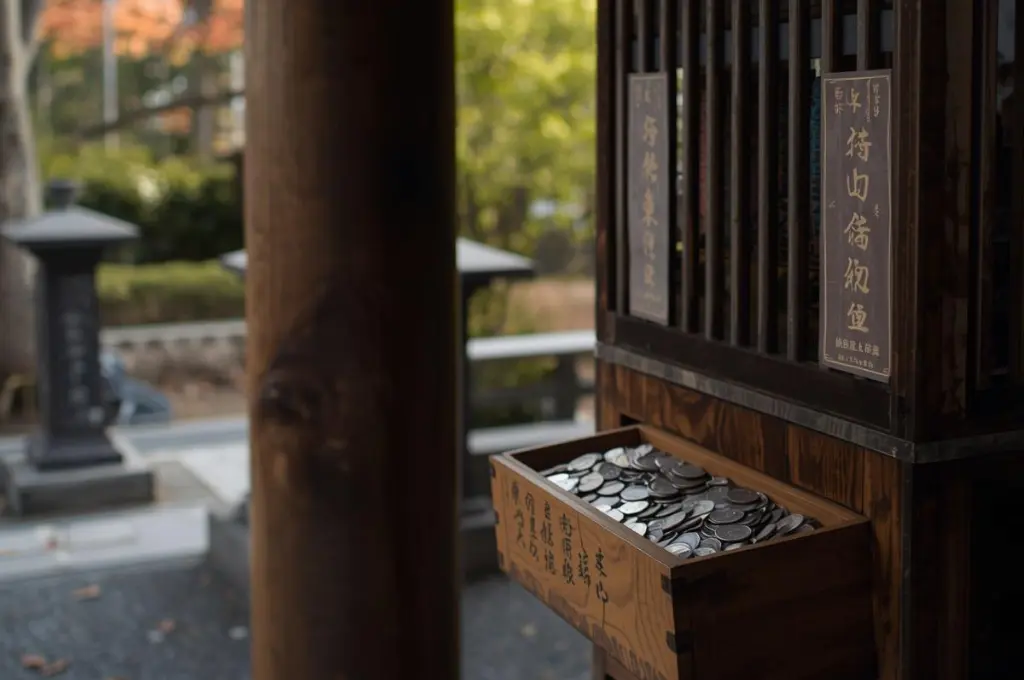
Many cultural locations still operate on cash. Whether you’re making a donation or buying omamori (charms), cash is required.
Small Local Businesses & Rural Areas
Family-run restaurants, countryside cafés, and local shops often do not accept cards. If you’re exploring beyond major cities, cash is essential.
Street Food and Markets
Street vendors and festival stalls almost always prefer cash for speed and simplicity.
Older Vending Machines & Coin Lockers
While newer machines accept IC cards, many older ones still require coins, something travelers often overlook.
Where Card and Digital Payments Are Widely Accepted
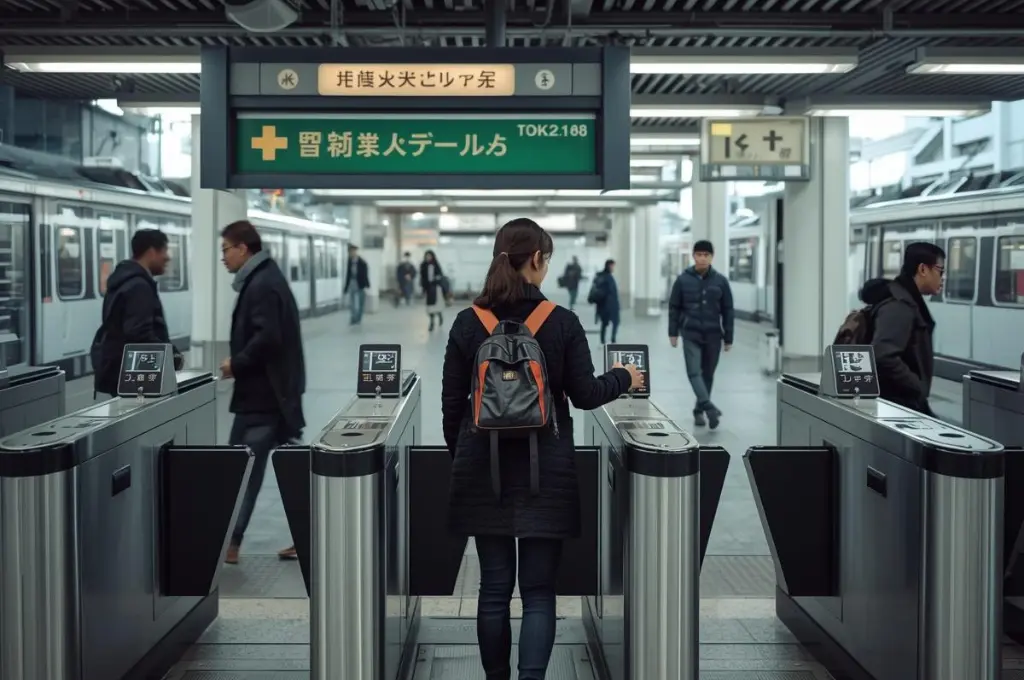
Major Cities (Tokyo, Osaka, Kyoto)
In large cities, cards are widely accepted at department stores, malls, and chain restaurants.
Transportation Systems
IC cards like Suica and Pasmo dominate urban transportation. You can use them for trains, buses, and even small purchases. Learn how to ride trains easily with this guide.
Hotels and Tourist Attractions
Most hotels, museums, and attractions accept credit cards without issue.
Convenience Stores & Chain Businesses
Stores like 7-Eleven, Lawson, and FamilyMart are fully equipped for cashless payments.
Cash vs Card Japan: Best Payment Methods in 2026
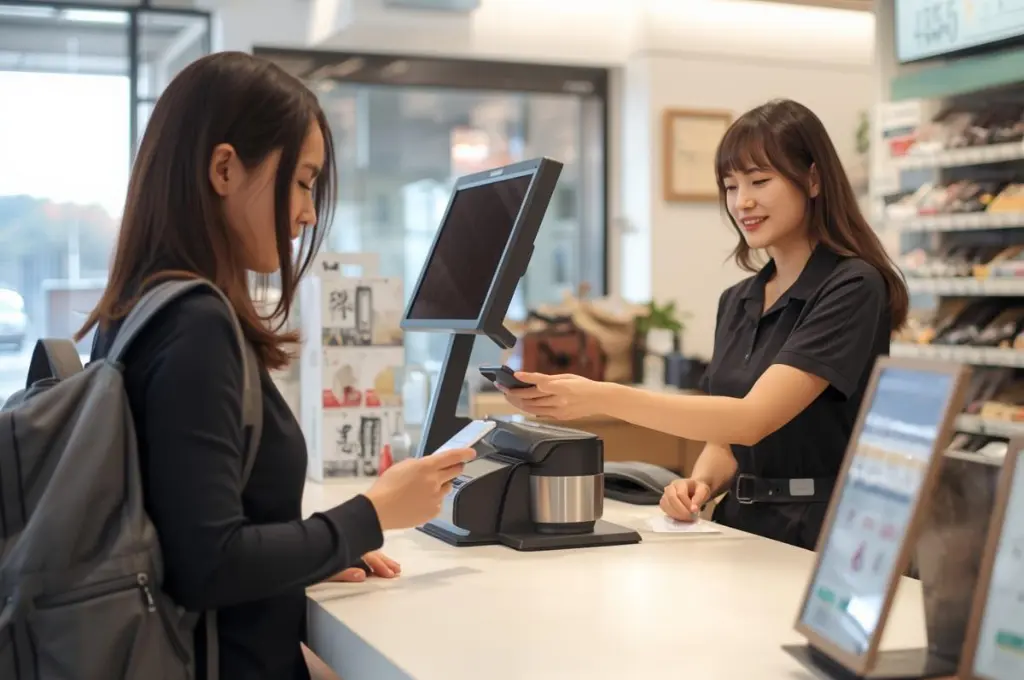
Credit and Debit Cards in Japan
Visa and Mastercard are widely accepted, while American Express works in many but not all locations.
IC Cards for Cashless Payments in Japan
IC cards are one of the most convenient payment methods for travelers. Here is our complete guide to IC cards in Japan.
Mobile and Digital Payments in Japan
Apps like PayPay, Apple Pay, and Google Pay are increasingly common, though not universal.
How Much Cash to Carry in Japan
Daily Budget Recommendations
A safe estimate is ¥5,000–¥10,000 per day, depending on your travel style. For more assistance, follow our Japan travel budget breakdown.
ATM Accessibility
7-Eleven and Japan Post ATMs are the most reliable for international cards.
Tips for Withdrawing Yen
- Avoid relying only on airport ATMs
- Watch for foreign transaction fees
- Always have backup cash
Pros and Cons of Cash vs Card in Japan
Benefits of Using Cash
- Accepted everywhere
- Helps control spending
Benefits of Using Card/Digital Payments
- Convenient and fast
- Easier to track expenses
- Safer than carrying large amounts of cash
Common Traveler Mistakes
- Relying only on cards
- Not carrying coins
- Assuming all places accept contactless payments
Practical Cash vs Card Tips for Japan Travel
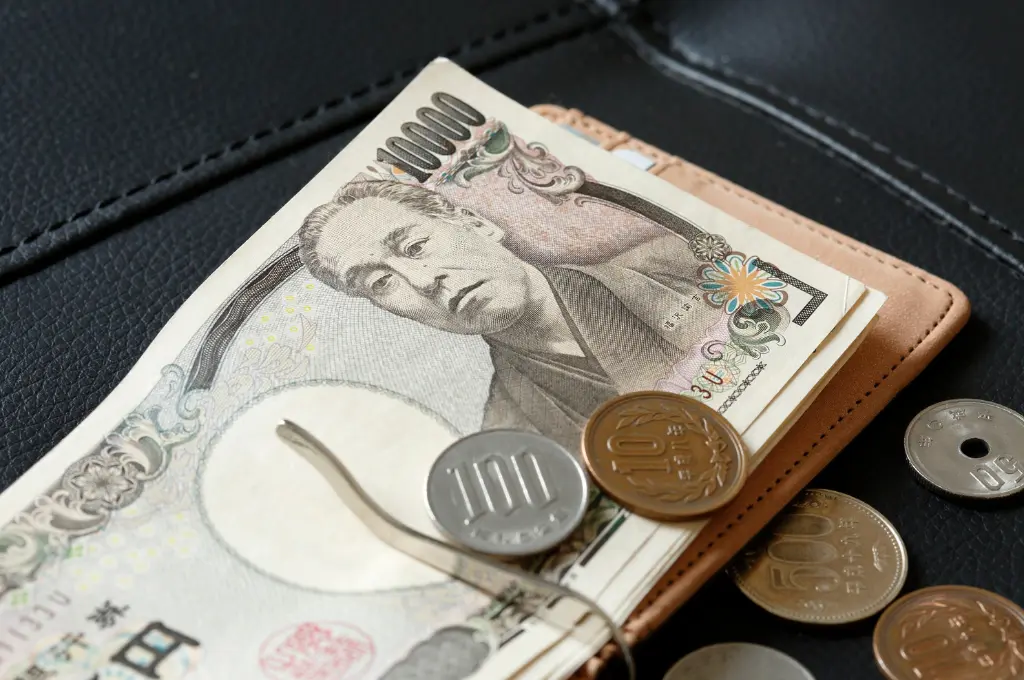
Always Carry a Mix of Payment Methods
Use a combination of cash, IC card, and credit card for flexibility.
Prepare Before You Arrive
- Notify your bank
- Set up mobile wallets
- Check card compatibility
Learn Basic Payment Etiquette
- Place money in the tray instead of handing it directly
- Tipping is not expected
For more helpful advice, visit our guide on Japan travel tips for first-time visitors.
Is Japan Still Cash Only? (Final Answer)
The Balanced Reality
Japan is no longer cash-only, but it’s not fully cashless either. It operates on a hybrid system where both cash and digital payments are important.
What Travelers Should Do in 2026
To avoid stress:
- Carry some cash daily
- Use IC cards for convenience
- Keep a credit card as backup
Final Tip:
The smartest strategy isn’t choosing cash or card, it’s using both strategically. That balance will make your trip smoother, more flexible, and far less stressful.